





















When Coach Richard Nuss sent out an email to the winter track and field team about availability for practices over break, only three student-athletes responded. “I think most athletes practice less consistently over the holidays,” he said, “especially when there is cold weather.” According to Nuss, holiday travel plans play a major role in hindering full-team practices. While track and field athletes are able to practice by themselves, team practices can provide crucial motivation—during winter break, some athletes have a general desire to take time off from the sport, to physically and mentally recover.
His daughter, Ivy Nuss, is a senior on the team. Last year, she started shot put and discus during the outdoor track season, meaning the only gap in team practices was over spring break. During spring break, she was able to find time to practice every day. However, despite her motivation to show up every day, even short day trips to visit relatives over the holidays can mess with her schedule. That motivation is tested by the “constant change in weather” that North Carolina throwers suffer. “It’s terrible to throw [when it’s cold],” she explained, pointing to an early season meet with frigid temperatures that saw all-around subpar performances in the shot put competition, with marks falling one or two meters shorter than expected across the board. Because throwing implements are metal, Ivy said, the cold weather poses an extra challenge when it comes to staying warm at meets.
Student-athletes also have to deal with academic stressors in December. Although team practice breaks are typically two weeks, midterms can put a damper on practices in the lead-up, lengthening that period to three or four weeks, depending on the rigor of an athlete’s exam schedule. Additionally, some seniors want to dedicate more time to completing the final stages of the college application process.
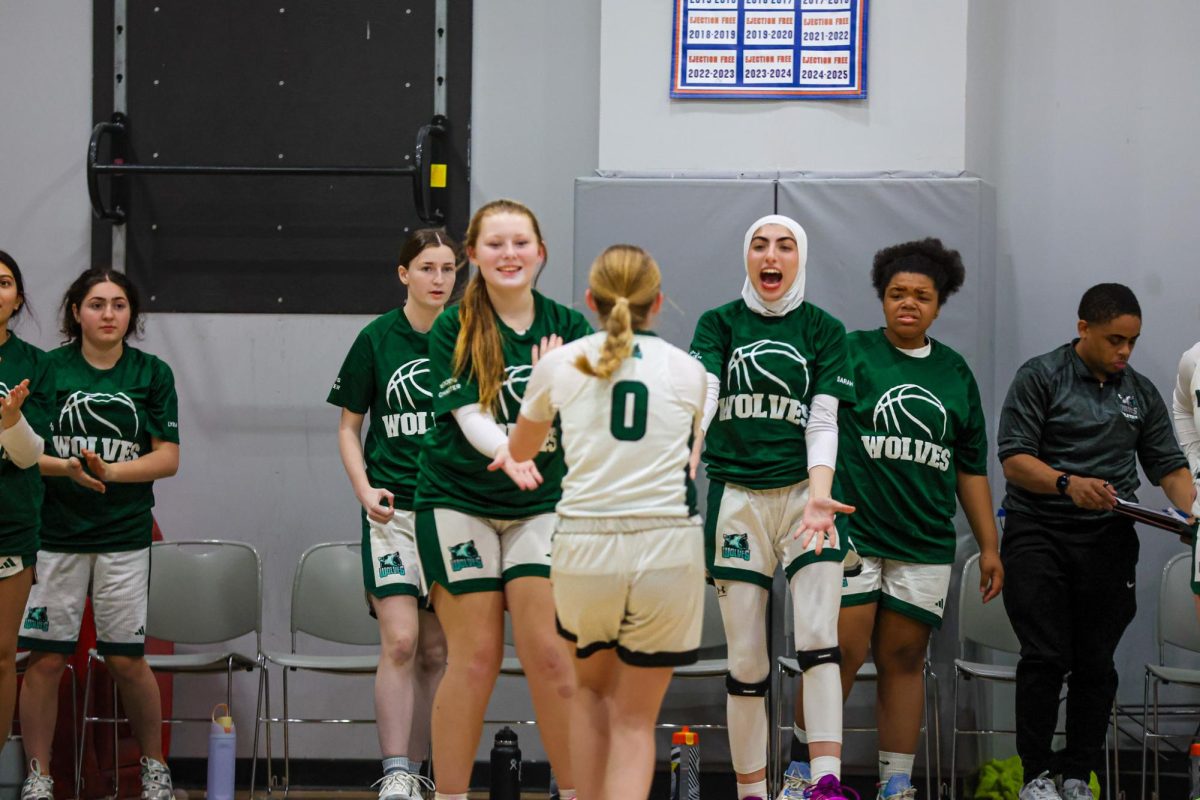
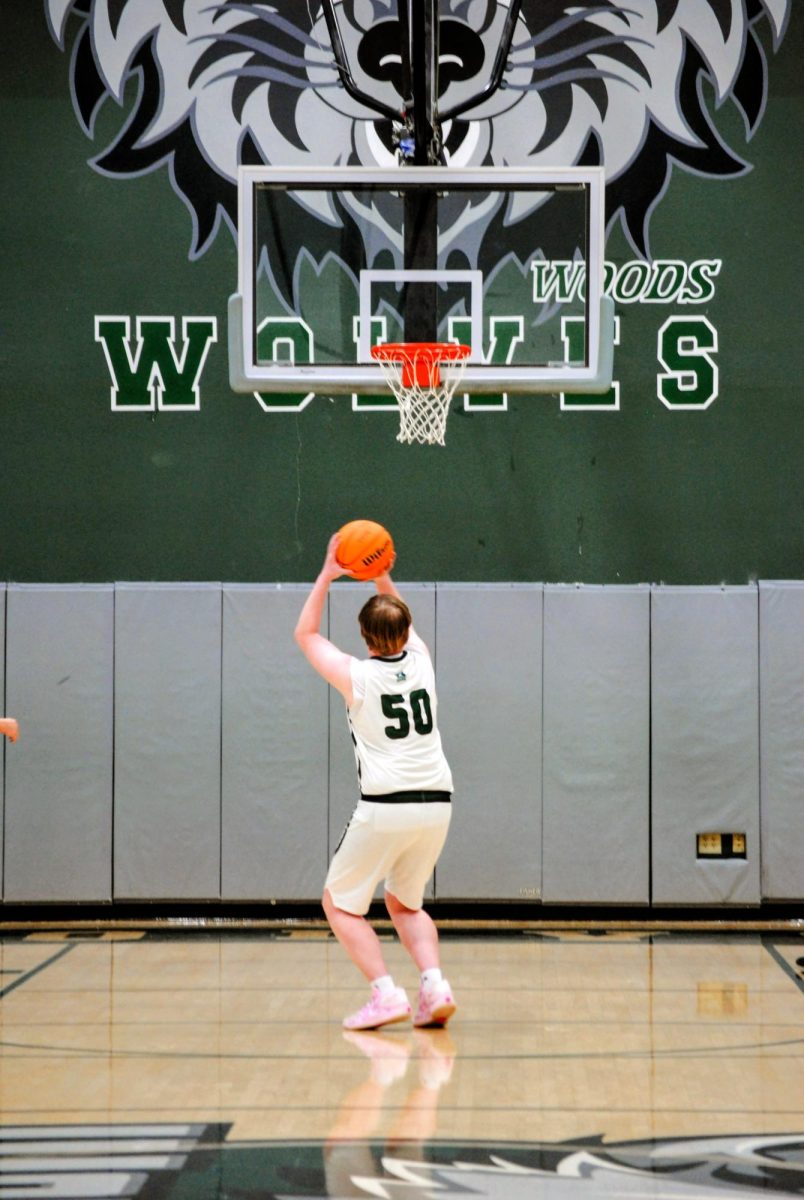
For team sports, commitment to formal practices can be even more difficult. Atanas Milchev, who plays on the men’s varsity basketball team, said that for individual sports like track and field, training is easier to maintain. Adherence to a consistent practice schedule can vary depending on if an athlete is home or away over break and “requires a bit of discipline,” Milchev said—but there is still a “heavier burden” on team sports over the break, as athletes can only focus on individual skills.
Even parts of winter break that initially don’t appear to pose an obstacle to improvement can challenge dedicated athletes. Milchev used the example of a holiday trip that entails walking all day—not only does this reduce the time left over for training, but it wears out the athlete and deprives them of the energy and motivation they thought they would still have at the end of the day. Because of these hiccups, Milchev believes that no matter how much training you have the week after winter break, it will be tough to quickly find your rhythm. For team sports, if one athlete is developing their skills over break, but their teammate is unable to, this discrepancy will be visible at the first practices back as a full team.
Although winter break is one of the biggest tests that student-athletes face, Coach Nuss believes that its setbacks can be minimized, regardless of sport. “It makes a difference if athletes do something every day, even if it’s not an intense workout, just to stay focused, keep up the muscle memory for skills and maintain fitness.”