

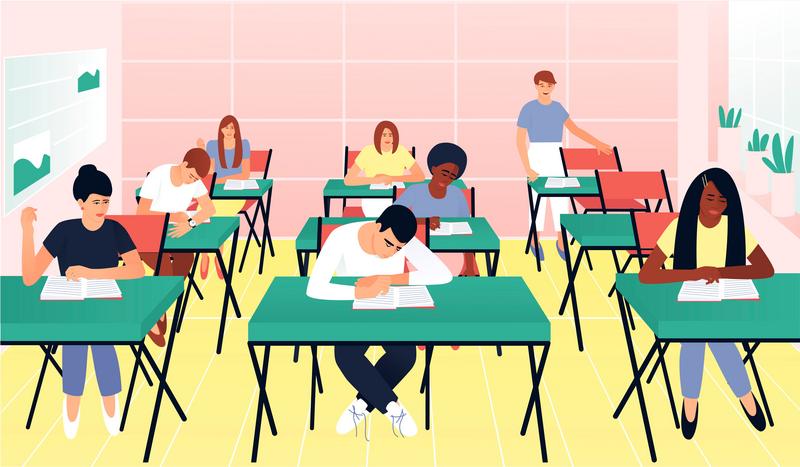







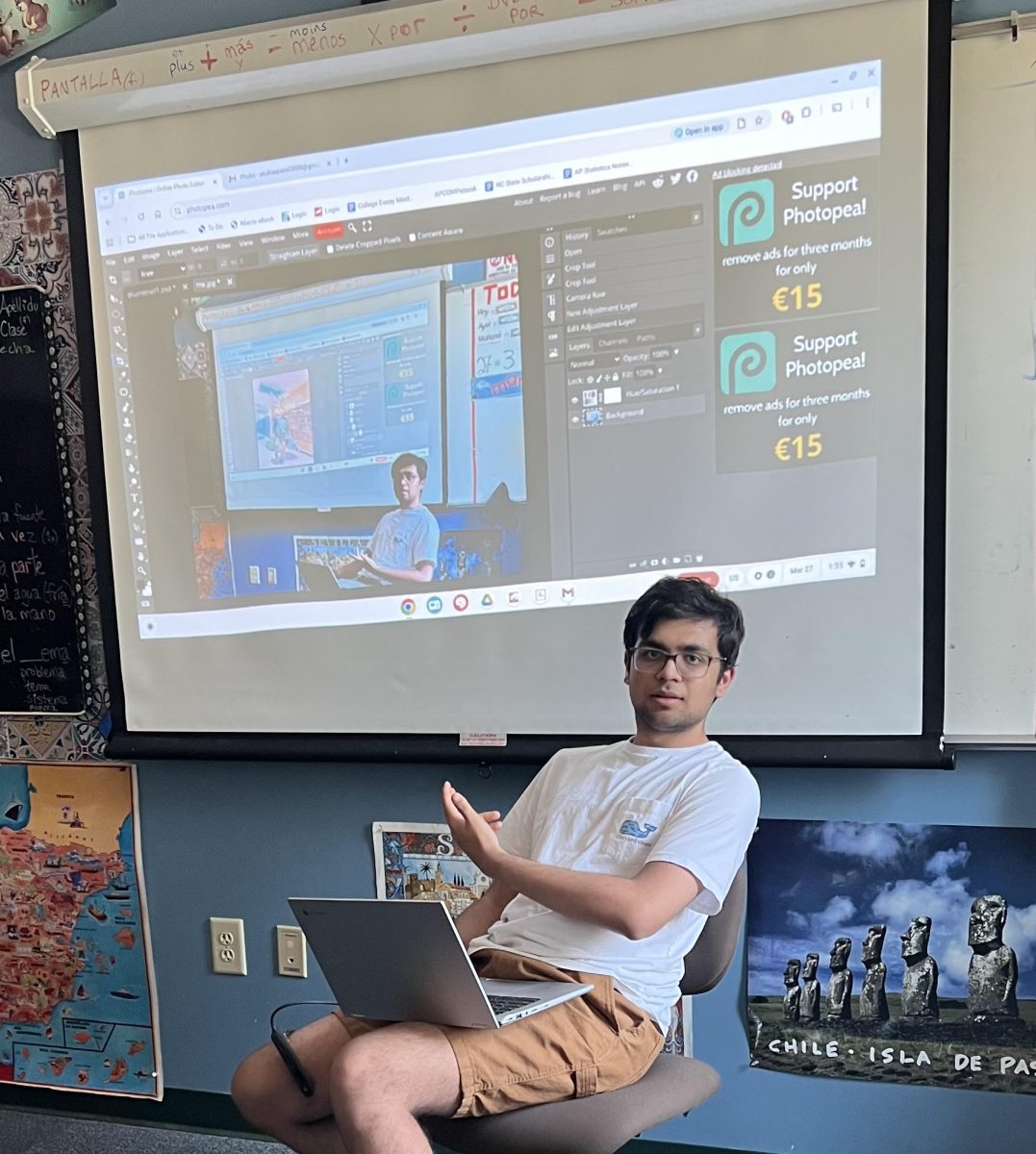













On Thursday, Feb. 5, Woods high school students and teachers experienced a day without devices, meaning no computers, no projectors, no presentations — just printed assignments or readings. The goal of the “no screens day” was to encourage students to disconnect from their screens and focus on old-school learning. While the intention behind this test was positive, the outcome uncovered something more important about the use of technology in school — that it is an essential tool for teaching at Woods. Although this day was unique and aimed to strengthen our focus, I believe it disrupted the present-day tools we use in the digital age to educate.
One major issue was students’ dependence on devices for note-taking, researching, projects, online readings, quizzes and tests. Removing devices did not get rid of distractions; it created an obstacle for students trying to use the necessary resources to participate in class. For high school students who rely on digital organization or support, this became an additional stressor.
“In most classes we would just play games, so it was fun, but not an effective day for schoolwork,” sophomore Kori Myers said.
In spite of this, some classrooms benefited from more engaged discussions because of the lack of screens. Classwork felt more hands-on and personal, with everyone participating in the activities, allowing for strong collaboration. However, all of this depended heavily on the teachers’ preparation in adapting their lesson plans, which varied. The inconsistency reveals how the removal of devices does not guarantee a more positive learning experience or environment.
Overall, “no screens day” revealed the importance of balance. It highlighted that screens are not the problem — it is how we manage their use. Rather than having more days without screens, Woods should emphasize teaching students to responsibly use technology, stay on task and limit distractions.
This experiment disclosed one obvious thing: At Woods, devices are crucial to modern learning. The ongoing challenge is not how we can stop using screens, but how we can use them properly.